
September 17, 2010
30 view(s)
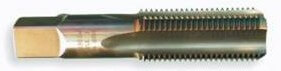
Ordering Cutting Taps
It is highly recommended that a drawing with the thread information be supplied whenever possible. This will assist engineering staff in providing the right cutting taps for the job and avoiding long delays and costly problems in manufacturing. Critical information required to supply the correct cutting taps are as follows:- Nominal Size, TPI or Thread Per Inch, Thread Form, and if the thread is a multiple start.
- Class of thread to be manufactured – 2B or 3B.
- Right hand or Left hand thread. Right hand is always assumed if not specified.
- Material to be tapped.
- Nature of hole to be tapped.
- Drilled, punched, or cast.
- Tap drill or hole size.
- Depth of hole.
- Through hole or blind hole.
- Required length of full threads.
- Style of cutting taps required – Taper, plug, bottoming, gun tap, and spiral fluted tap.
- Our manufacturing engineer will determine this based on the information supplied.
Trouble Shooting Checklist For Tapping
- Using an incorrect style or design for the job.
- Using an incorrect tap limit size for the class of thread.
- Using dull cutting taps, cutting dies, and cutting tools that require re-sharpening.
- Using poorly re-sharpened cutting taps, cutting dies, and cutting tools.
- The part material is too hard or too soft.
- The part material is of poor quality and not uniform in structure or analysis.
- The part material is galled on the tap threads.
- Over packing of chips in the flutes.
- Tapping machine is too heavy or too light for job.
- Tapping machine lacking a quality lead screw.
- Speed range of tapping machine is too limited.
- Table of tapping machine or work piece not perpendicular to the tap.
- CNC machine not properly programmed.
- Adverse pre-tap hole conditions ( size, depth, straightness, roundness, glazed or work hardened surface, chips in the bottom ).
- Tap and prepared hole are not aligned.
- Work piece and fixture lifting on reversal when tapping vertically.
- Lack of proper lubrication on application.